The short answer
No, the ice chapel in its familiar form is gone: Wikipedia says it collapsed in 2025. Searches for it return many reports from earlier years describing the walk from St. Bartholomä as a highlight. Do not plan a trip around it today.
What it was
According to Wikipedia it lay in the upper Eisbach valley below the Watzmann east face and was probably the lowest permanent snowfield in the Alps, with its lower end at 930 m. Berchtesgaden360 warned long before the collapse never to enter the ice because pieces break off the roof.
What visitors can do now
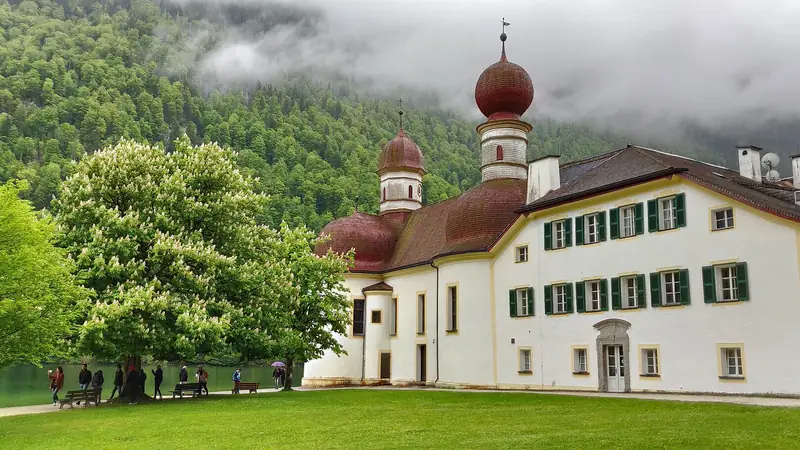
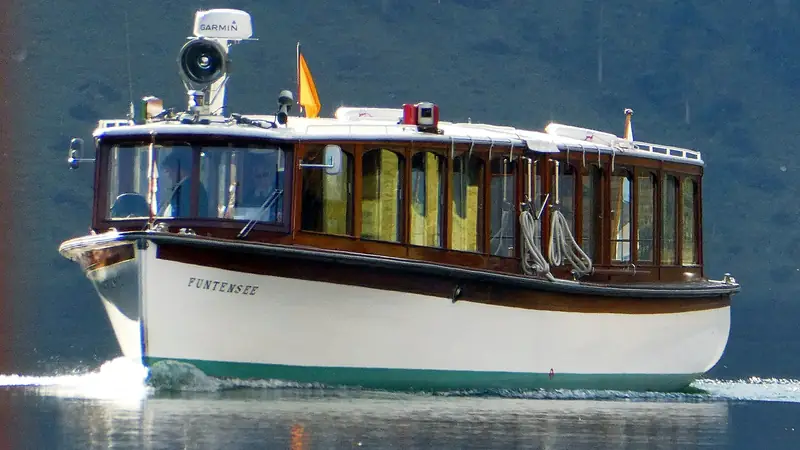
St. Bartholomä remains a destination: Wikipedia says the peninsula with the pilgrimage church is reached only by boat or hiking trails, and the operator gives about 35 minutes by boat. Closures and avalanche danger affect the path into the Eisbach valley, so ask the national park information on the spot before you set out. The crossing is described on our boat trip page.
Season and weather
Berchtesgaden360 notes that avalanches can run in the area and recommends summer for the walk; timetables and conditions are covered in the best time to visit the Königssee. For a bed see where to stay near the Königssee.
Frequently asked questions
Does the Königssee ice chapel still exist?
According to Wikipedia it collapsed in 2025 and is now called the former ice chapel. Older hiking reports still describe it.
Where was the ice chapel?
In the upper Eisbach valley below the Watzmann east face, about an hour's walk from St. Bartholomä on the Königssee (Wikipedia).
Could you walk into the ice chapel?
Berchtesgaden360 said you should never enter it because ice keeps falling from the roof. The area is also exposed to avalanches.
Is St. Bartholomä still worth the trip?
Yes. Wikipedia says the peninsula with the pilgrimage church can be reached only by boat or hiking trails, except when the lake freezes, and the operator gives about 35 minutes by boat.
Some links are affiliate links: if you book through them we earn a small commission at no extra cost to you. It funds the research behind this site.